
Insights
Voice & Laryngology Articles
Evidence-based guidance on vocal health, airway, and thyroid/parathyroid care.
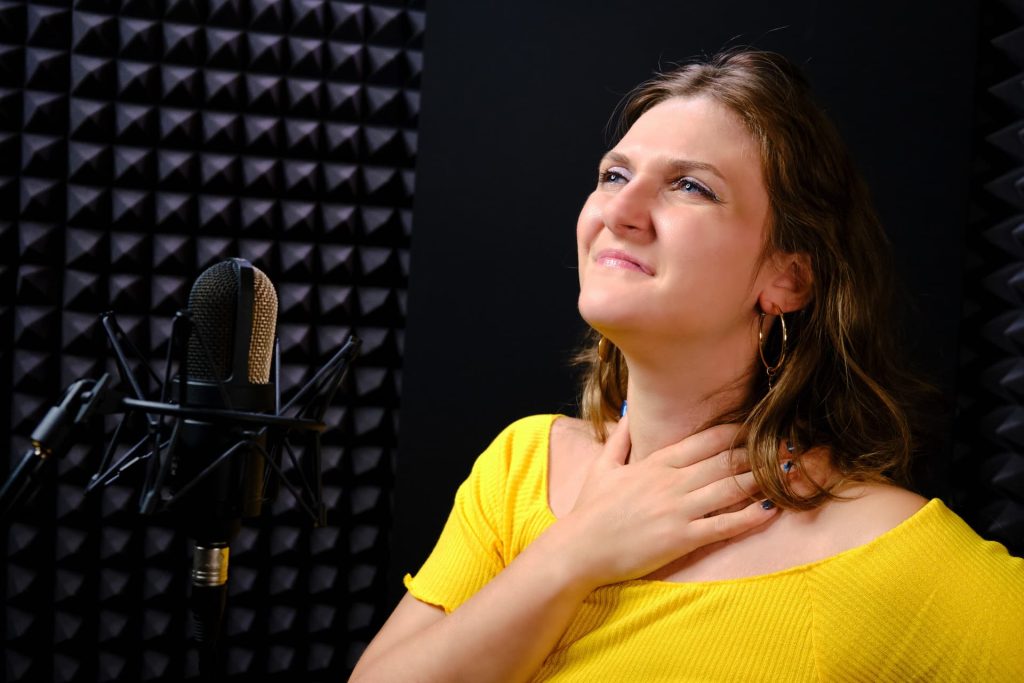
Preventing Vocal Injuries: Tips for Singers and Professional Voice Users
Practical, evidence-aligned habits for singers, actors, teachers, and other professional voice users to reduce strain, protect the voice, and sustain performance over time.

What Is Voice Therapy?
What to expect from voice therapy with a speech-language pathologist, including assessment steps, common techniques, and how treatment supports vocal recovery and performance.

Hitting a Sore Spot: Vocal Cord Ulcers and Granulomas
Sore, scratchy voice that won’t calm down can feel scary, but ulcers and granulomas are common—and treatable—causes we see all the time. We’ll pinpoint the trigger (reflux, overuse, irritation), quiet the inflammation, and guide you with therapy or procedures so your voice heals and feels like you again.

Frozen in Place: Exploring Vocal Cord Paralysis – Causes, Symptoms, and Management
When your voice won’t cooperate—or breathing and swallowing feel harder than they should—it can be scary, but vocal cord paralysis is something we can diagnose clearly and treat thoughtfully. From voice therapy to office injections or surgery, we’ll build a step-by-step plan to restore strength, confidence, and ease in your voice.
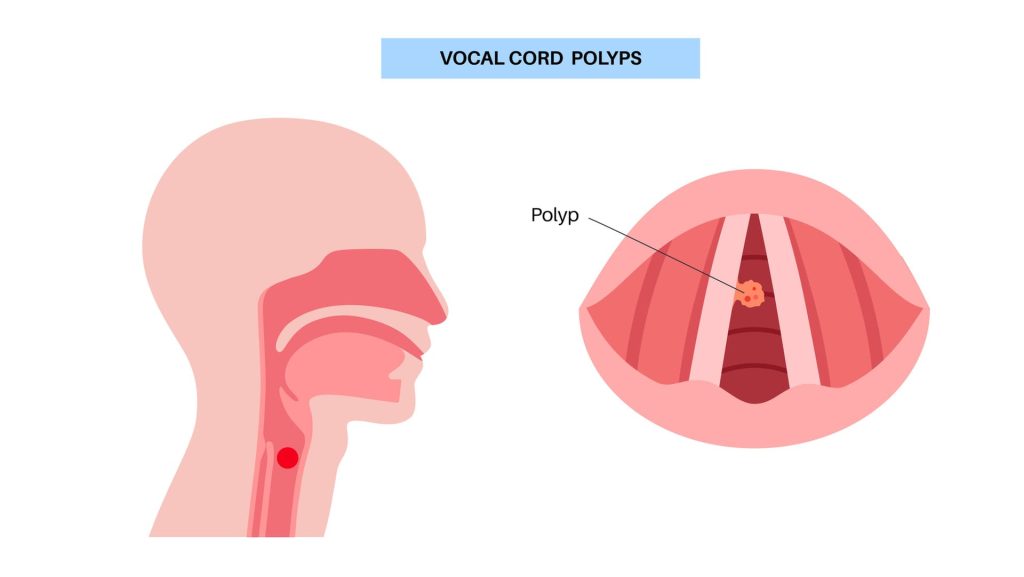
Vocal Fold Polyps: Diagnosis, Treatment, and Prevention
If your voice feels raspy, tired, or unreliable, a small polyp could be the reason—and it’s very treatable. Here’s a quick, caring walkthrough on how we diagnose polyps, the options to fix them, and simple habits to keep your voice strong.
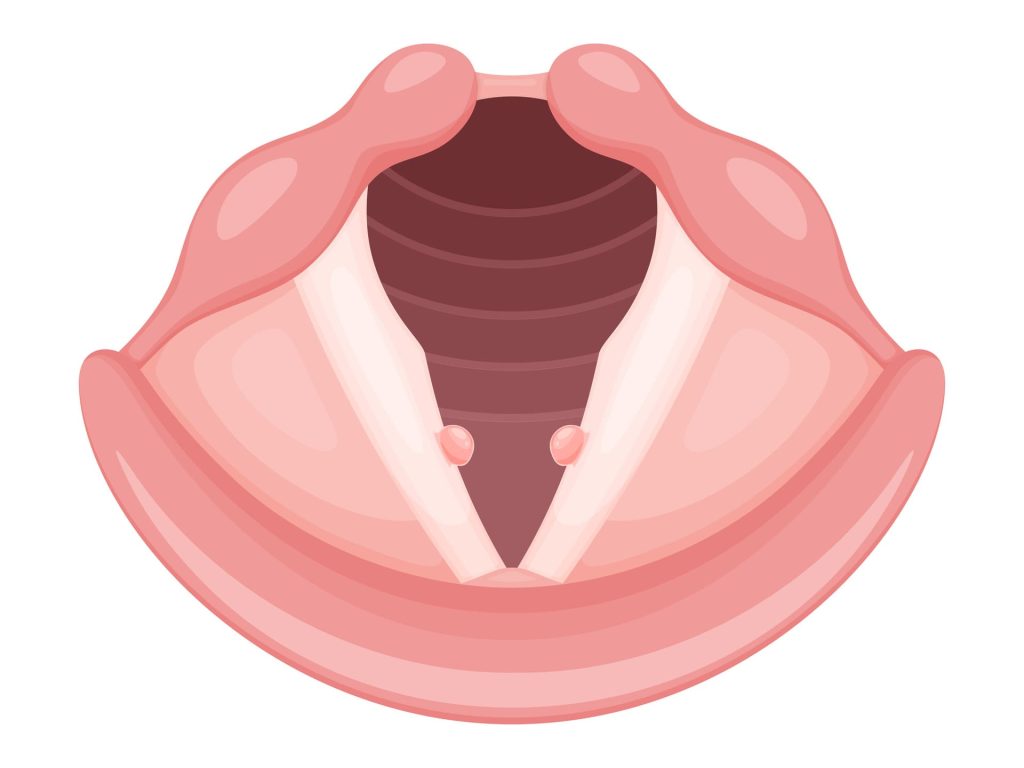
The Dreaded Vocal Node: Are Vocal Cord Nodules Really That Scary? Demystifying Misconceptions
Nodules aren’t a career ender or a sign you’ve “ruined” your voice—they’re common, fixable, and often respond to smart technique and care. With tailored guidance, most people regain clarity and stamina without drama.

Vocal Cord Hemorrhage: Causes, Symptoms, and Recovery
A sudden voice loss after a big sing, shout, or marathon meeting can be a hemorrhage—scary, but treatable. Fast evaluation, strict voice rest, and guided rehab usually get you back to speaking (and singing) with confidence.
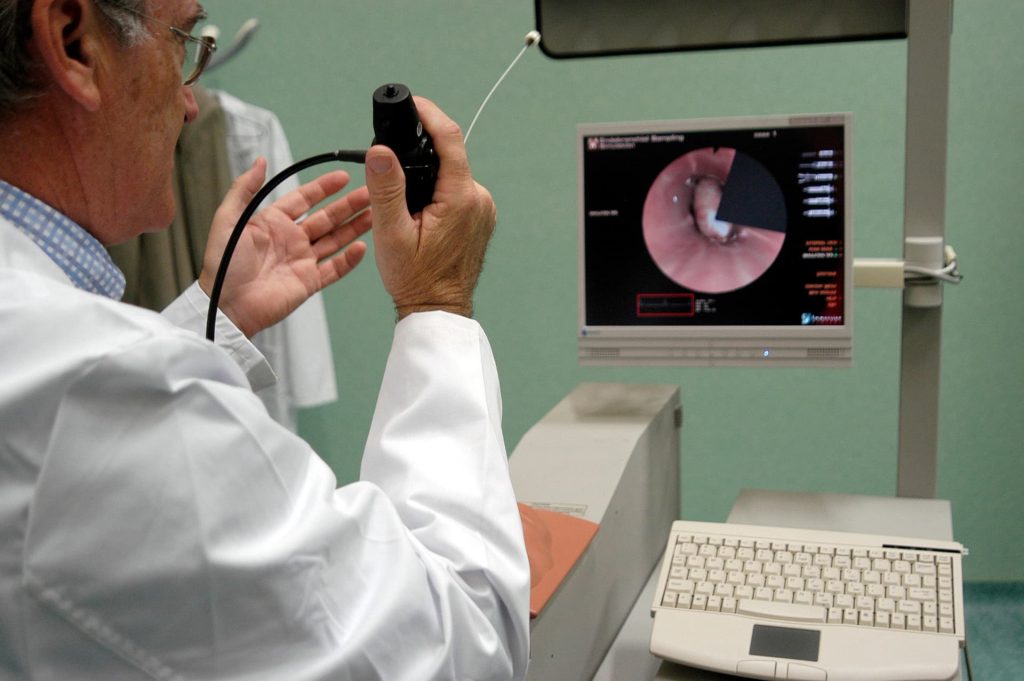
Laryngeal Cancer: Early Detection, Treatment Options, and Rehabilitation
If your voice is hoarse or “just not you” for more than two weeks, it’s worth getting checked—early diagnosis makes a real difference. We’ll walk you through modern treatments and voice-focused rehab so you can protect function and feel supported the whole way.

Common Misconceptions about Voice Disorders: Debunking Myths and Providing Clarity
Voice disorders aren't just for singers, and they aren't always caused by 'bad habits'—there are many causes and most are manageable without surgery. This quick guide clears up common myths and shows when to rest, when to get evaluated, and how simple habits plus targeted therapy can protect your voice long-term.

Voice Care for Teachers: Maintaining Vocal Health in the Classroom
Practical strategies for teachers to protect their voices—covering classroom acoustics, breath control, projection, rest, hydration, daily habits, and monitoring.

Can Tonsillectomy Affect Your Singing Voice?
How tonsil size, infections, sleep apnea, and surgery can influence airflow, resonance, and recovery for professional singers—plus risks, anesthesia notes, and rehab tips.

Vocal Health and Aging: Maintaining Vocal Health In Your Golden Years
How age-related changes affect the voice—and practical habits to keep strength, clarity, and endurance as you grow older.

The Effects of Smoking and Alcohol on Vocal Health: Tips for Vocalists
How tobacco and alcohol impact vocal folds, breath support, and performance—and practical steps vocalists can take to protect stamina, clarity, and longevity.
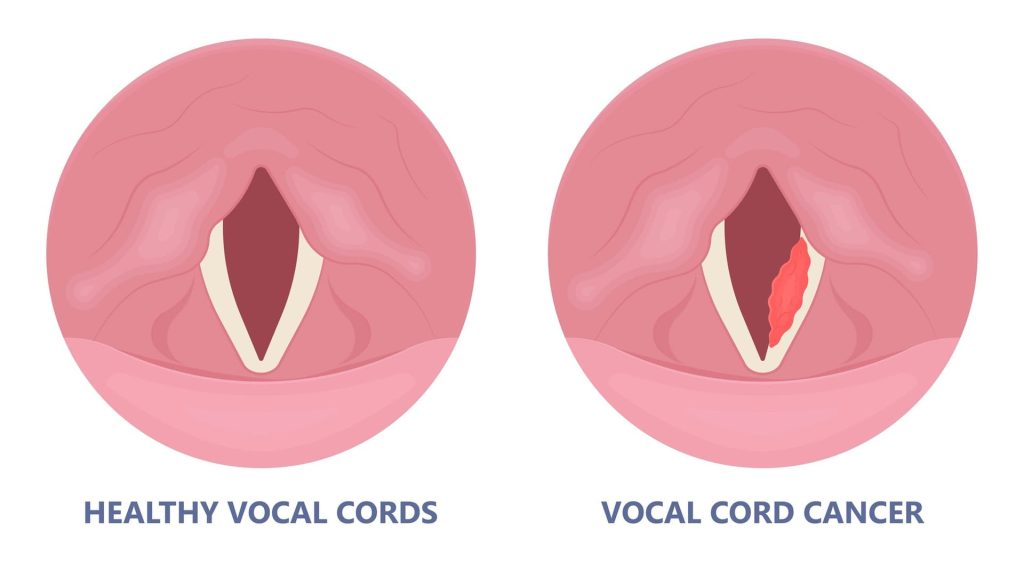
Vocal Fold Cysts: Types, Symptoms, and Surgical Intervention
A small cyst can make your voice feel rough, tired, or "not like you"—but it's fixable. Here's how to spot the signs, understand the two main cyst types, and how precise, voice-sparing surgery (plus smart rehab) can help you get your sound back.
Voice Problems in Professional Speakers: Causes, Effects, and Solutions
If your voice pays the bills, small problems can feel big fast—I get it. Here's a clear, practical roadmap to spot issues early, protect your instrument, and keep speaking with confidence.
Vocal Cord Lesions in Professional Singers: Causes, Symptoms, and Management
If singing is your livelihood, even small changes in your voice can feel huge. This guide breaks down what causes lesions, how they show up, and the smartest ways to treat and prevent them so you can get back to performing with confidence.
Unveiling the Silent Culprit: Vocal Cord Scar – A Hidden Cause of Hoarseness
Hoarseness that won’t go away may be more than simple fatigue—vocal cord scarring can quietly stiffen the folds and change how you sound. This overview explains causes, symptoms, and the treatments—from voice therapy to phonosurgery—that can help restore clarity and confidence in your voice.

Unveiling the Connection: Neurological Disorders Impacting Vocal Function
If your voice has changed alongside a neurological diagnosis, you’re not alone—and there are ways to adapt. This overview explains how conditions like Parkinson’s, stroke, MS, ALS, and Huntington’s can affect speech and what practical therapies can help you communicate more clearly.
The Great Masquerader: Vocal Cord Dysfunction, aka Paradoxical Vocal Fold Motion Disorder
If breathing trouble feels like asthma but the inhaler doesn’t help, it might be vocal cord dysfunction—and you’re not imagining it. This overview explains what VCD/PVFMD looks like, common triggers, and the practical therapies that can help you breathe and speak with confidence again.

The Impact of Hormonal Changes on Vocal Health
Hormones can make your voice feel different—through puberty, cycles, pregnancy, and menopause—and that's normal. This guide explains what's happening and simple steps to stay hydrated, warm up wisely, consider voice therapy, and manage changes with care.

HPV and Its Connection to Vocal Cord Papillomas and Cancer
HPV is common—and most infections clear on their own—but some strains can affect your voice by causing papillomas or, rarely, cancer. This Q&A explains what to watch for, how we diagnose and treat these conditions, and simple steps (like vaccination and early evaluation) to protect your voice.